 Forest Green Hub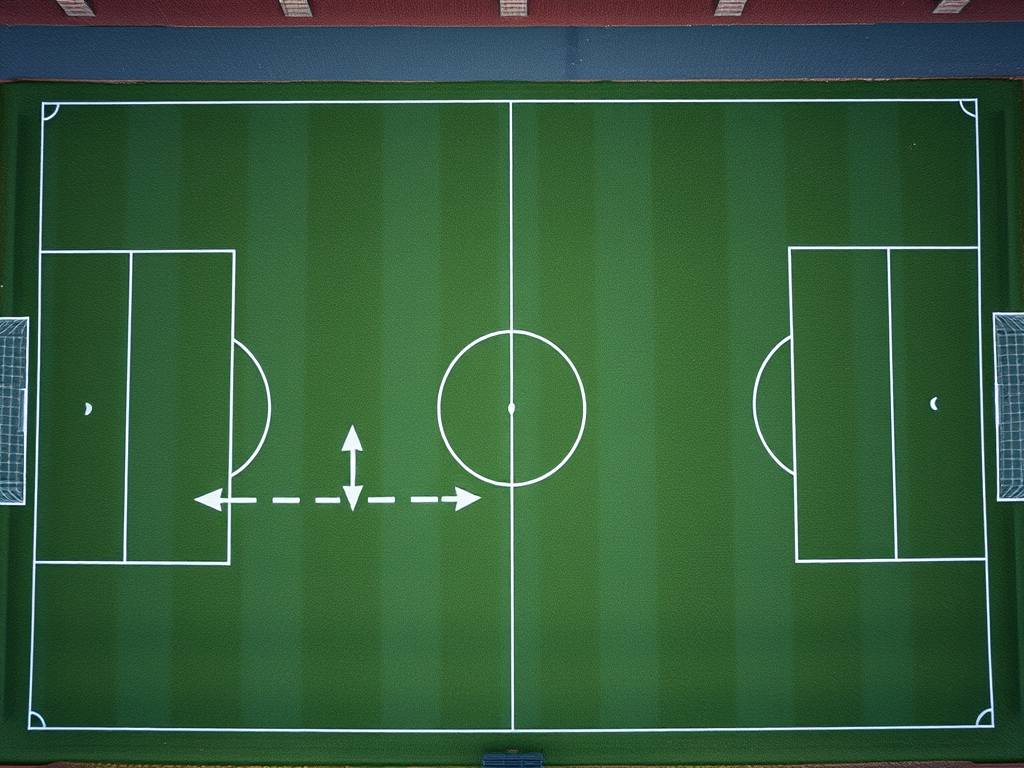
In recent fixtures, Forest Green has shown a willingness to adapt their tactics based on the opposition, a strategy that has proven effective in the National League. They've focused on identifying and exploiting weaknesses, with impressive results.
For example, in the match against Halifax Town, Forest Green set up a fluid system that emphasized wide play, stretching the Halifax defense. The use of wingers created overloads on the flanks, which paid off when Y. Bamba scored after a well-timed cross from H. Bunker. This adaptability reveals the coaching staff's emphasis on tailored game plans. Tactical flexibility
Another key aspect of Forest Green's approach is their ability to switch formations mid-game. Against Dagenham & Redbridge, the team shifted to a 4-2-3-1 setup after halftime to apply more pressure in the midfield. This change disrupted Dagenham's strategy and allowed Forest Green to dominate possession. Tactical adjustments like these underline the players' understanding of in-game dynamics.
The statistics support this tactical intelligence; Forest Green ranks among the top teams in the league for goals scored from set pieces. By analyzing opponent tendencies, the coaching staff has developed routines that exploit specific defensive liabilities. Their meticulous preparation ensures that they capitalize on every opportunity presented.
As the season unfolds, Forest Green's tactical acumen will be essential in their quest for promotion. Through strategic planning and in-game adaptability, they aim to outsmart opponents and secure vital points.