
Tactical Tweaks for Forest Green: Building on Recent Form
After a series of promising performances, Forest Green finds itself at a critical juncture in the National League. As The Green Devils aim for a strong finish to the season, it’s essential to dissect their recent form and explore tactical adjustments that could enhance their chances of success.
Current Form: A Mixed Bag
In recent weeks, Forest Green has demonstrated flashes of brilliance, coupled with moments of inconsistency. Their ability to control possession has been evident, but the lack of cutting edge in the final third has hindered their goal-scoring opportunities. The midfield has often dominated the ball, yet the transition from midfield to front-line has been slow, allowing opposing defenses to regroup and stifle attacking threats.
Formation: The 4-3-3 Dilemma
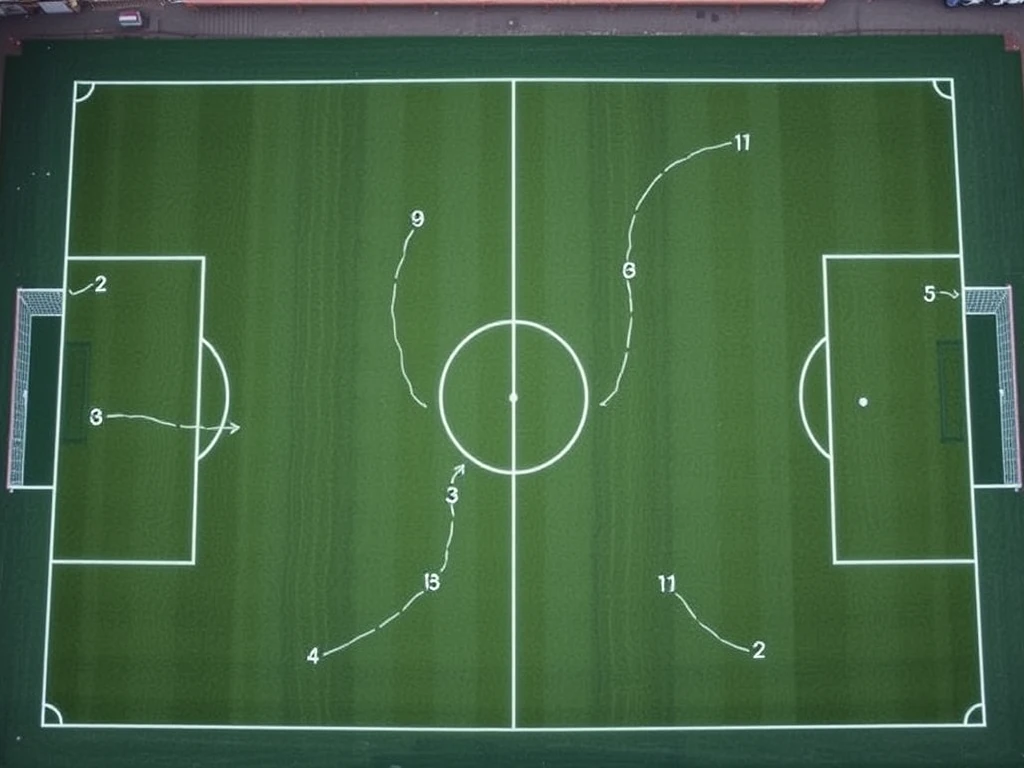
Currently, Forest Green employs a 4-3-3 formation, which has its merits in terms of width and attacking potential. However, it has also exposed the backline during counter-attacks, particularly against teams that break quickly. A potential tweak could be shifting to a 4-2-3-1 setup, allowing for greater defensive stability while still maintaining creativity in the attacking phase. This adjustment would enable two holding midfielders to shield the back four, providing a buffer against opposition counters while allowing the attacking midfielder to operate in the spaces between the lines.
Player Roles: Maximizing Impact
Alongside a formation tweak, reassessing player roles could also yield positive results. For instance, utilizing a player like J. Buyabu in a more advanced role could exploit his pace and dribbling ability, stretching defenses and creating more goal-scoring opportunities. Meanwhile, a disciplined approach from the midfield pivot, perhaps with Kyle McAllister and another central midfielder, can ensure that the team maintains its shape while transitioning between defense and attack.
Wing Play: An Area for Improvement
The wings have been a source of both creativity and frustration for Forest Green. While the wide players have shown glimpses of brilliance, their inconsistency can often lead to wasted opportunities. Encouraging the wingers to cut inside more frequently could create space for overlapping full-backs, enhancing width and unpredictability in the attack. This tactical shift would not only increase goal-scoring chances but also allow for a more dynamic interplay between the forwards and midfielders.
Defensive Cohesion: Building from the Back
Defensively, Forest Green has shown vulnerability, particularly when pressed high. A focus on building from the back with short, deliberate passes can help maintain possession and draw opponents out of shape. Implementing a strategy that emphasizes quick, triangular passing can aid in evading the press and create opportunities in advanced positions.
Conclusion: Embracing the Challenge
As Forest Green navigates the remainder of the season, these tactical tweaks could be pivotal in solidifying their position within the National League. By refining their formation, player roles, and focusing on wing play and defensive cohesion, The Green Devils can harness their recent form and strive for a successful campaign. The tactical evolution of this team could prove to be the key to unlocking their full potential and challenging for promotion. With the right adjustments, Forest Green can look forward to a thrilling conclusion to the season at The Bolt New Lawn.